
Eco-Friendly Fencing Materials: A Comparative Analysis of Wood, Steel, Vinyl, and Composite
- Nicholas Pretious
- Aug 5
- 4 min read

Choosing the right fencing material affects more than just your property’s look and security. It also impacts the environment in many ways. From resource extraction to manufacturing, installation, maintenance, and disposal, each fencing option carries a different ecological footprint. This post compares four popular fencing materials—wood, steel, vinyl, and composite—through an eco-friendly lens. Understanding their environmental impact helps you make a choice that balances durability, aesthetics, and sustainability.

Wood Fencing and Its Environmental Impact
Wood fences have been a classic choice for centuries. They offer a natural look and can be sourced from renewable forests. However, the environmental friendliness of wood fencing depends heavily on how the wood is harvested and treated.
Sourcing: Wood from sustainably managed forests certified by organizations like FSC (Forest Stewardship Council) reduces deforestation risks. Avoiding tropical hardwoods helps protect endangered ecosystems.
Carbon footprint: Wood stores carbon dioxide absorbed during tree growth, which helps offset emissions. However, transportation and processing add to the carbon footprint.
Treatment and maintenance: Wood fences often require chemical preservatives to resist rot and insects. These chemicals can leach into soil and water, posing environmental hazards.
Longevity and disposal: Wood fences typically last 15 to 30 years. At the end of their life, untreated wood can biodegrade naturally, but treated wood may need special disposal to avoid pollution.
Wood fencing offers a renewable option if sourced responsibly and maintained with eco-friendly products. It fits well in natural landscapes and supports carbon storage during its lifespan.
Steel Fencing and Sustainability Considerations
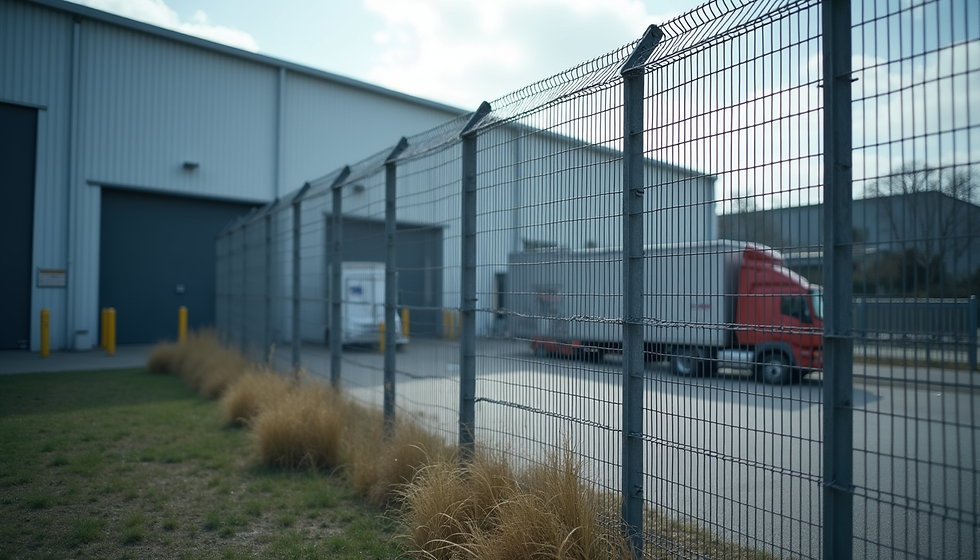
Steel fences provide strength and durability, often lasting 50 years or more. Their environmental impact varies based on production methods and recycling.
Material extraction: Steel production requires mining iron ore and significant energy use, often from fossil fuels. This process generates greenhouse gases and other pollutants.
Manufacturing: Steel fences are usually galvanized or coated to prevent rust, adding chemical treatments.
Recyclability: Steel is highly recyclable without losing quality. Using recycled steel reduces energy consumption by up to 75% compared to new steel production.
Maintenance: Steel fences need minimal upkeep, reducing the need for additional resources over time.
Choosing steel fences made from recycled materials and ensuring they are recycled at the end of their life can greatly reduce their environmental footprint. Their long lifespan also means fewer replacements and less waste.

Vinyl Fencing and Its Environmental Challenges
Vinyl fencing has gained popularity for its low maintenance and clean appearance. However, its environmental impact raises concerns.
Raw materials: Vinyl is made from polyvinyl chloride (PVC), a plastic derived from petroleum. Extracting and processing petroleum contributes to pollution and resource depletion.
Manufacturing emissions: PVC production releases toxic chemicals such as dioxins, which can harm human health and ecosystems.
Durability: Vinyl fences last 20 to 30 years and resist weathering without chemical treatments.
End-of-life issues: Vinyl is not biodegradable and is difficult to recycle. Most discarded vinyl ends up in landfills, where it can release harmful substances over time.
While vinyl fencing offers convenience and durability, its reliance on fossil fuels and disposal challenges make it less eco-friendly. Some manufacturers now produce vinyl with recycled content, which helps reduce environmental harm.
Composite Fencing as a Sustainable Alternative
Composite fencing combines wood fibers and recycled plastics, aiming to balance durability with environmental benefits.
Materials: Using recycled wood and plastic reduces waste and the demand for virgin resources.
Manufacturing: Composite production consumes energy but often less than steel or pure plastic fencing.
Durability: Composite fences can last 25 to 30 years with minimal maintenance and no chemical treatments.
Recyclability: Recycling composite materials remains difficult due to mixed components, but some companies offer take-back programs.
Composite fencing offers a middle ground by repurposing waste materials and reducing the need for chemical preservatives. Its long lifespan and low maintenance make it a practical eco-friendly choice for many homeowners.

Making the Best Eco-Friendly Fencing Choice
When selecting a fence, consider these factors to minimize environmental impact:
Source materials responsibly: Look for certifications like FSC for wood or recycled content labels for steel and composite.
Prioritize durability: Longer-lasting fences reduce waste and resource use over time.
Choose low-impact maintenance: Avoid fences requiring toxic chemicals or frequent replacement.
Plan for disposal: Select materials that can be recycled or safely biodegraded.
Wood fencing suits those who want natural aesthetics and carbon storage, provided the wood is sustainably harvested. Steel offers strength and recyclability but has a higher initial carbon footprint. Vinyl is low maintenance but less sustainable due to fossil fuel use and disposal issues. Composite fencing blends recycled materials and durability, making it a balanced eco-friendly option.
By understanding the environmental trade-offs of each material, you can choose a fence that supports your property’s needs and the planet’s health. Consider your local climate, maintenance willingness, and end-of-life options to find the best fit.
Choosing eco-friendly fencing means thinking beyond looks and cost. It means making a decision that respects natural resources and reduces pollution. Your fence can protect your home and the environment at the same time.


Comments