
Effective Fencing Strategies for Acreage Owners: Deterring Coyotes and Deer in Rural Alberta

Fencing on rural Alberta properties is more than just marking boundaries. It plays a crucial role in managing wildlife interactions, especially with animals like coyotes and deer. Poor fencing can unintentionally attract or trap wildlife, causing harm to animals and property owners alike. Acreage owners face unique challenges in balancing protection, safety, and wildlife movement. This post explores fence types that deter wildlife, designs that allow safe passage, and common fencing mistakes to avoid.

Understanding Wildlife Behavior Around Fences
Coyotes and deer have different habits and physical abilities that influence how they interact with fences. Deer are excellent jumpers and can clear fences up to 8 feet tall, while coyotes are skilled diggers and can squeeze through small gaps. Knowing these behaviors helps in choosing the right fencing strategy.
Coyotes often hunt near fences where small animals gather.
Deer seek easy passage routes and may become trapped in poorly designed fences.
Fences that are too low or have gaps can encourage animals to enter the property, increasing risks to livestock and gardens.
Fence Types That Help Deter Wildlife
Choosing the right fence material and design is key to keeping coyotes and deer at bay without harming them.
High-Tensile Wire Fencing
High-tensile wire fences are strong and flexible. When installed with tight spacing, they prevent coyotes from squeezing through or digging under.
Use woven wire with mesh size no larger than 2 inches.
Add a bottom wire buried 6 to 12 inches underground to stop digging.
Height should be at least 6 feet to discourage deer jumping.
Electric Fencing
Electric fences provide a psychological barrier that animals learn to avoid.
Use multiple strands, with the lowest strand 6 inches off the ground to deter digging.
Combine with woven wire for extra security.
Regularly check and maintain voltage for effectiveness.
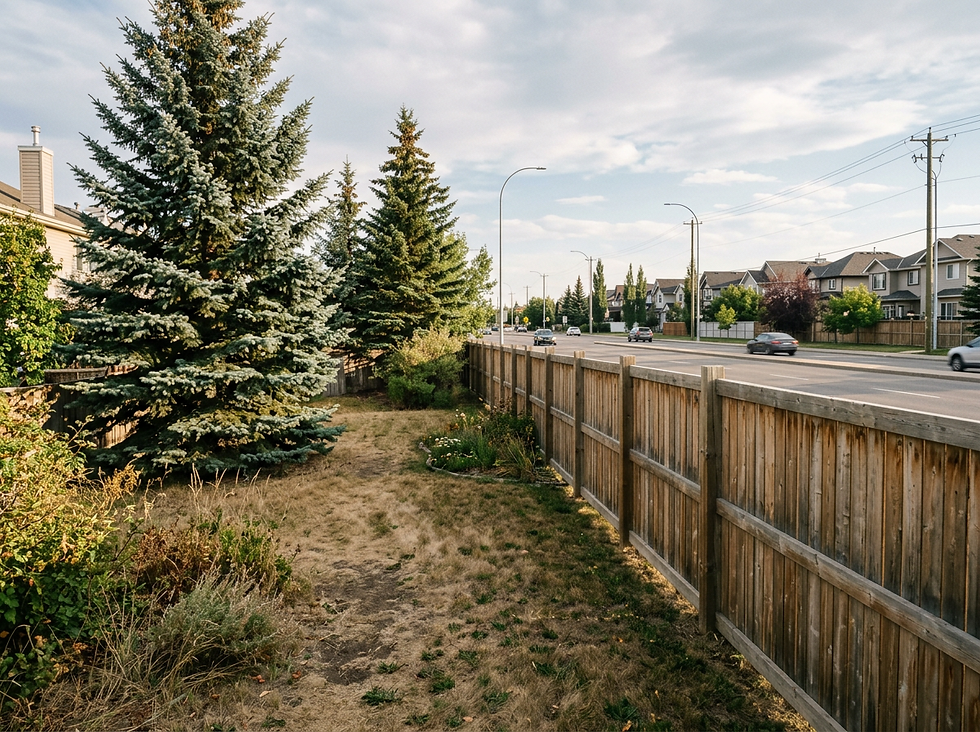
Wooden Post and Rail Fencing with Wire Mesh
This traditional style offers durability and visibility.
Attach wire mesh to prevent animals from slipping through.
Space rails closely to reduce gaps.
Add a top wire or electric strand to increase height.
Designing Safe Passage for Wildlife
Completely blocking wildlife movement can cause stress and injury. Thoughtful fence design includes safe crossing points.
Wildlife corridors: Leave sections of fencing lower or removable to allow deer to pass.
Jump-outs: Structures that let trapped animals escape fenced areas.
Gates with wildlife-friendly latches: Prevent accidental openings but allow controlled access.
These designs reduce the chance of animals getting stuck or injured while maintaining property security.

Common Fencing Mistakes That Attract or Trap Animals
Some fencing choices can backfire, causing more problems than they solve.
Gaps and holes: Even small openings invite coyotes and deer inside.
Low fences: Deer can easily jump over fences under 6 feet.
Barbed wire near ground: Can injure animals trying to crawl under.
Improperly buried wire: Allows digging animals to enter.
Solid fences without visibility: Can trap animals inside, leading to injury or stress.
Regular inspection and maintenance prevent these issues. Fix holes promptly and adjust fence height or design as needed.
Practical Tips for Acreage Owners in Rural Alberta
Use a combination of fencing types for best results.
Consider local wildlife patterns and seasonal movements.
Install motion-activated lights or alarms near fences to deter nocturnal animals.
Plant natural barriers like thorny bushes along fences to discourage crossing.
Consult local wildlife experts for advice tailored to your property.

Wildlife-friendly fencing protects your property while respecting Alberta’s natural environment. Thoughtful design and proper maintenance reduce conflicts with coyotes and deer, keeping your acreage safe and wildlife unharmed. Start by assessing your current fencing and plan improvements that balance security with nature’s needs.


Comments