
Exploring Various Fence Types and Their Longevity and Strength for Your Property

Choosing the right fence for your property is more than just picking a style that looks good. It’s about selecting a material and design that will stand the test of time and provide the protection and privacy you need. Different fence types offer varying levels of endurance and sturdiness, which can affect maintenance costs and overall satisfaction. This guide breaks down popular fence options, highlighting how well each holds up under different conditions and what makes them a smart choice for your home or business.

Wooden Fences
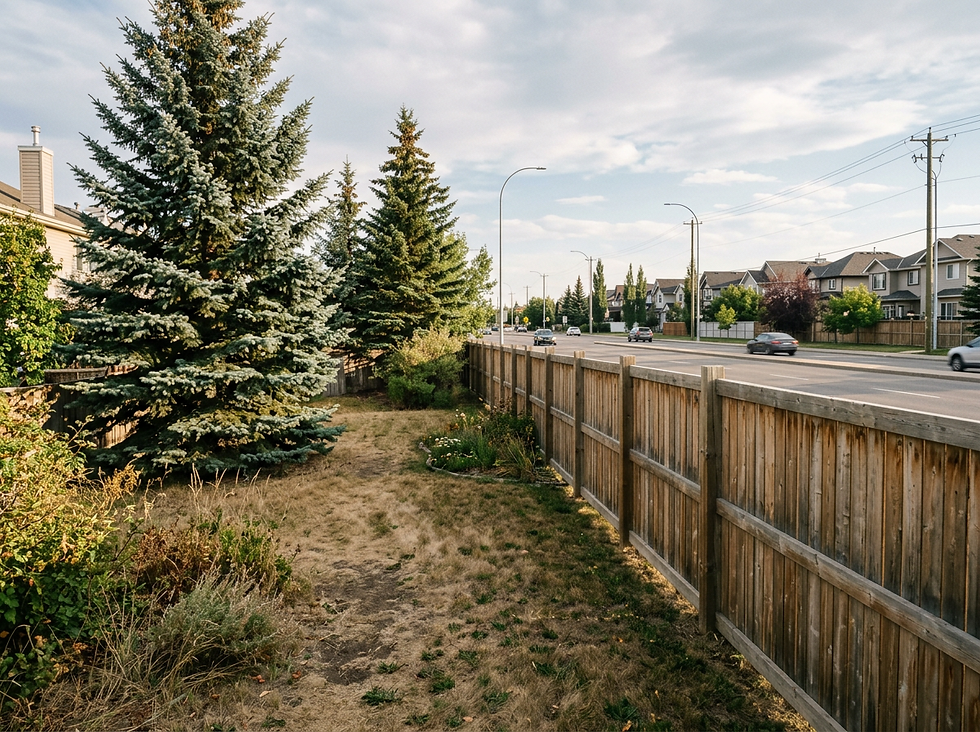
Wood fences remain a classic choice for many homeowners due to their natural beauty and versatility. They can be built in various styles, from picket to privacy panels, and painted or stained to match your property’s aesthetic.
Longevity factors: Wood fences typically last 10 to 20 years depending on the type of wood used and how well they are maintained. Cedar and redwood resist rot and insects better than pine.
Strength aspects: Wood offers solid protection and can be reinforced with thicker posts and cross beams. However, it can warp or crack over time if exposed to moisture without proper sealing.
Maintenance needs: Regular sealing or painting is necessary to prevent weather damage. Inspections for rot or insect damage help extend the fence’s life.
Wood fences provide a warm, natural look but require ongoing care to keep their strength and appearance.
Vinyl Fences
Vinyl fencing has grown in popularity thanks to its low upkeep and clean look. Made from PVC, vinyl fences resist many common problems that affect wood.
Longevity factors: Vinyl fences can last 20 to 30 years or more. They do not rot, warp, or attract insects.
Strength aspects: While vinyl is durable, it can become brittle in very cold weather and may crack under heavy impact. High-quality vinyl with UV protection holds up better against sun damage.
Maintenance needs: Cleaning with soap and water is usually enough. No painting or sealing is required.
Vinyl fences offer a modern, maintenance-free option that stays strong and attractive for decades.
Metal Fences
Metal fences, including aluminum, steel, and wrought iron, are known for their toughness and security.
Longevity factors: Steel and wrought iron fences can last 30 years or more with proper rust prevention. Aluminum fences resist rust naturally and can last just as long.
Strength aspects: Metal fences provide excellent protection and can withstand strong impacts. Wrought iron is especially strong but heavier and more expensive.
Maintenance needs: Steel and iron require periodic painting or powder coating to prevent rust. Aluminum needs less upkeep but should be checked for dents or damage.
Metal fences combine strength and style, making them ideal for security-conscious properties.

Chain Link Fences
Chain link fences are a practical choice for security and boundary marking, often used in commercial and residential settings.
Longevity factors: Galvanized steel chain link fences can last 15 to 20 years. Vinyl-coated chain link fences add extra protection against rust.
Strength aspects: Chain link fences provide a strong barrier but offer less privacy. They resist impact well but can be bent or cut with tools.
Maintenance needs: Minimal maintenance is needed. Occasional rust checks and repairs keep them functional.
Chain link fences are cost-effective and sturdy but may not suit those wanting a more decorative or private option.
Composite Fences
Composite fences blend wood fibers with plastic to create a material that looks like wood but lasts longer.
Longevity factors: Composite fences can last 25 to 30 years. They resist rot, insects, and weather damage better than pure wood.
Strength aspects: These fences are strong and less likely to warp or crack. They handle moisture well and maintain their shape.
Maintenance needs: Cleaning is simple, and no staining or sealing is required. Some fading may occur over time.
Composite fences offer the best of both worlds: the appearance of wood with enhanced endurance.
Selecting the right fence depends on your priorities: whether you want a natural look, low upkeep, strong security, or a balance of these qualities. Wood and composite fences offer warmth and style but differ in maintenance demands. Vinyl and metal fences provide long-lasting strength with less effort. Chain link fences deliver practical security, while bamboo adds a natural, eco-friendly touch.
Think about your property’s environment, your budget, and how much time you want to spend on upkeep. This will help you choose a fence that not only enhances your space but also stands firm for years to come. Taking the time to understand these options ensures your investment protects and beautifies your property effectively.


Comments