
The Journey of a Fence Post: From Forest to Front Yard

A fence post might seem like a simple piece of wood, but its story is rich and full of purpose. From the moment a tree is chosen in a forest to the final installation in your yard, the fence post undergoes a transformation that connects nature, craftsmanship, and function. This journey reveals how a humble post becomes a sturdy guardian of boundaries and a silent witness to countless memories.

From Forest to Lumberyard
The journey begins deep in the forest, where foresters select trees based on size, species, and health. Not every tree is fit to become a fence post. Species like cedar, pine, and oak are popular choices because of their natural resistance to decay and strength. Once a tree is marked, it is carefully cut down using chainsaws or harvesters.
After felling, the logs are transported to a lumberyard. Here, they are sorted and cut into manageable lengths. The logs destined to become fence posts are often cut longer than needed to allow for trimming and shaping later. This stage is crucial because the quality of the wood affects the post’s durability.
Preparing the Wood for Use
At the lumberyard, the logs undergo several treatments to prepare them for outdoor use. First, the bark is stripped away, exposing the wood beneath. Then, the posts are often pressure-treated with preservatives to protect against insects, fungi, and moisture. This treatment extends the life of the post, especially when buried underground.
Some fence posts are left untreated if they are made from naturally durable wood like cedar. These posts rely on their natural oils to resist decay. After treatment, the posts are dried to reduce moisture content, which helps prevent warping and cracking once installed.
Shaping and Quality Checks
Once dried, the posts are shaped to standard sizes. This might involve smoothing rough edges or cutting the tops into points for easier installation. Quality control is essential at this stage. Workers inspect each post for cracks, knots, or other defects that could weaken it.
Posts that pass inspection are bundled and prepared for shipment. They might be stacked on pallets or loaded directly onto trucks. The journey from the lumberyard to the retailer or construction site is the next step in the post’s story.

Transport and Storage
Fence posts travel from the lumberyard to hardware stores, garden centers, or directly to construction sites. During transport, care is taken to avoid damage. Posts are stacked securely to prevent bending or breaking.
At the destination, posts are stored in dry, ventilated areas to maintain their condition until installation. Proper storage prevents moisture buildup, which could lead to mold or rot.
Installation in the Front Yard
The final chapter in the fence post’s journey is installation. This step transforms the post from raw material into a functional part of a fence. The process begins with marking the fence line and digging holes deep enough to support the post firmly.
Posts are often set in concrete or packed tightly with soil to ensure stability. The pointed tops, shaped earlier, help the post penetrate the ground more easily. Once installed, the posts provide the backbone for fence rails, wire, or panels.
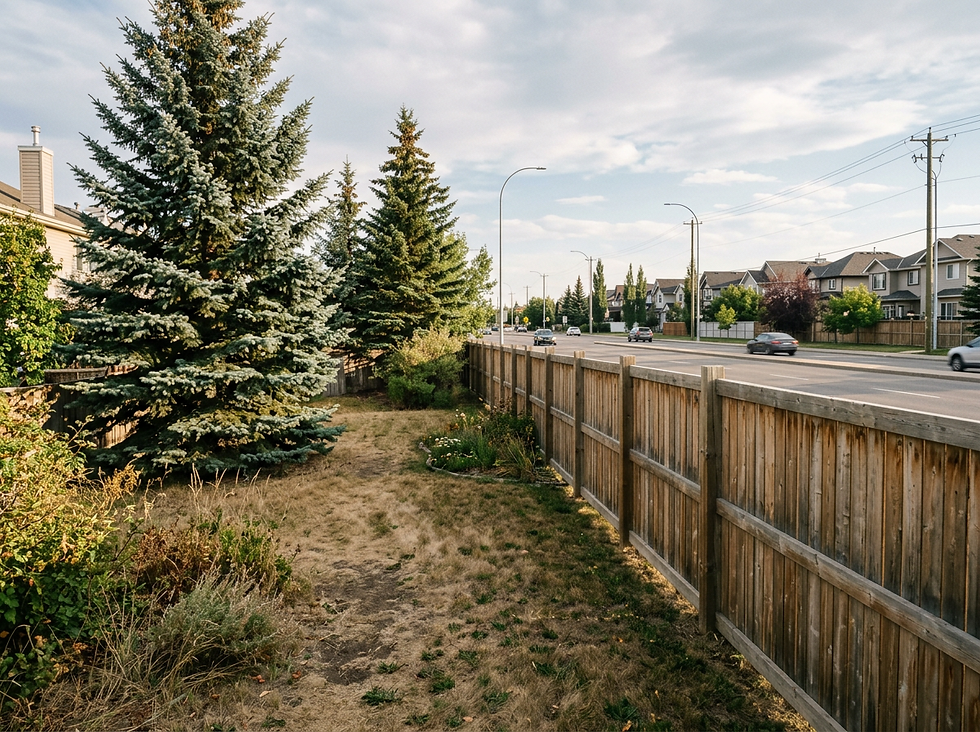
A well-installed fence post can last decades, standing strong against weather and wear. It marks boundaries, supports plants, or even serves as a decorative element in the yard.

The Fence Post’s Role Beyond Installation
Once in place, the fence post becomes part of a larger story. It supports fences that protect pets, keep children safe, or define property lines. Over time, it weathers sun, rain, and wind, gaining character and sometimes moss or lichen.
Fence posts also connect us to nature. They remind us that even the simplest objects have a history rooted in the earth. Understanding this journey can deepen appreciation for the craftsmanship and natural resources involved in everyday items.
Final Thoughts
The life of a fence post is a journey of transformation and purpose. From a living tree in the forest to a sturdy post in your yard, it passes through many hands and processes. Each step ensures the post will stand strong and serve its role well.
Next time you see a fence post, consider the story behind it. It’s more than wood; it’s a connection between nature, skill, and home. If you’re planning a fence project, choosing quality posts and proper installation will give you a fence that lasts and tells its own story for years to come.


Comments