
Understanding Behavioral Science: How Fencing Shapes Our Sense of Safety and Territory

Feeling safe in our surroundings is a basic human need. One of the simplest ways we create that feeling is by setting boundaries. Fences do more than mark property lines—they tap into deep psychological instincts that shape how we perceive safety and ownership. This post explores how behavioral science explains our reactions to fences, focusing on territorial instincts, visual boundaries, noise reduction, and how fence height and materials influence our sense of security.
Territorial Instincts and the Need for Boundaries
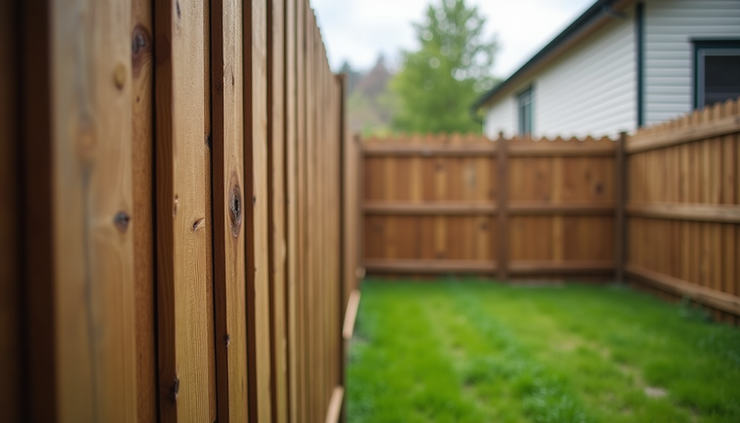
Humans, like many animals, have a natural territorial instinct. This instinct drives us to claim and protect spaces we consider ours. A fence acts as a physical marker of this territory, signaling ownership and control. When we see a fence, our brain interprets it as a boundary that separates “inside” from “outside,” creating a psychological sense of safety.
This instinct is rooted in evolution. Early humans needed clear boundaries to protect resources and family groups from threats. Today, fences still serve that purpose, even if the threats are less immediate. The presence of a fence reduces anxiety by defining a clear personal space where outsiders are less likely to intrude.
Visual Boundaries and Perceived Safety
Visual boundaries created by fences play a crucial role in how safe we feel. When a fence blocks or limits sightlines, it creates a private zone that feels protected from prying eyes and potential intruders. The more a fence obstructs the view, the stronger the feeling of privacy and security.
For example, a solid wooden fence or a tall hedge creates a visual barrier that signals “private space.” In contrast, a low chain-link fence offers little visual privacy and therefore less psychological comfort. This difference affects how people use their outdoor spaces. Those with solid fences often feel freer to relax, socialize, or let children play outside without constant worry.
Noise Reduction and Its Impact on Comfort
Noise is a subtle but powerful factor in how safe and comfortable we feel in a space. Loud or unpredictable sounds can increase stress and alertness, signaling potential danger. Fences made from dense materials like wood or vinyl can reduce noise from streets or neighbors, creating a quieter, calmer environment.
This noise reduction contributes to the sense of safety by lowering stress levels and making the space feel more controlled. For example, a backyard surrounded by a tall wooden fence will often feel more peaceful than one enclosed by a metal fence that lets sound pass through easily.

How Fence Height Influences Perceived Safety
Fence height is a key factor in how secure a space feels. Taller fences create a stronger physical and psychological barrier. They are harder to climb and block more visual and auditory cues from the outside world. This makes the enclosed area feel more protected.
However, there is a balance to strike. Extremely tall fences can feel oppressive or unfriendly, potentially creating a fortress-like atmosphere that isolates rather than comforts. In residential settings, fences between 6 and 8 feet high often provide the best mix of privacy and openness.
The Role of Fence Materials in Shaping Safety Perceptions
Materials affect not only the look of a fence but also how safe it feels. Solid materials like wood, vinyl, or brick create a sense of permanence and strength. They block sight and sound effectively, reinforcing the feeling of a secure boundary.
By contrast, metal fences such as wrought iron or chain-link offer less privacy and noise reduction. They may feel less protective but can still serve as clear territorial markers. Some people prefer metal fences for visibility and openness, especially in community spaces where complete enclosure is not desired.
Choosing the right material depends on the desired balance between privacy, security, and aesthetics. For example, a homeowner who values quiet and solitude might choose a tall wooden fence, while someone who wants to maintain visual connection with neighbors might opt for a decorative metal fence.

Practical Tips for Choosing Fencing to Enhance Safety
Consider your environment: Urban areas may require taller, solid fences for noise and privacy, while rural areas might benefit from lower fences that maintain views.
Match fence height to purpose: Use 6-8 feet for privacy and security, lower heights for decorative or boundary marking purposes.
Select materials based on needs: Wood and vinyl for privacy and noise reduction; metal for visibility and openness.
Think about maintenance: Some materials require more upkeep, which can affect long-term satisfaction and safety perception.
Add landscaping: Plants and hedges can complement fences by adding natural barriers and enhancing privacy.
Understanding these factors helps homeowners and designers create spaces that feel safe and welcoming, not just physically secure but psychologically comforting.
Fences do more than divide land. They connect deeply with human psychology by defining territory, creating visual and auditory boundaries, and shaping how safe we feel. By considering behavioral science, we can choose fencing that supports our need for privacy and security in ways that feel natural and reassuring. Next time you think about installing a fence, remember it’s not just about property lines—it’s about creating a space where you can truly feel safe.


Comments